
The placebo effect is a mysterious phenomenon that has long puzzled scientists and doctors. It represents a positive therapeutic response to an inert substance or procedure that lacks specific therapeutic activity for a given condition. In Latin, “placebo” means “I will please,” or “I will be agreeable.” The term “placebo” was used to describe “dummy” […]

What is Restless Legs Syndrome: Causes, Symptoms, and Treatment
Restless Legs Syndrome (RLS), also known as Willis-Ekbom disease, is a neurological disorder characterized by unpleasant sensations in the legs and an overwhelming urge to move. These symptoms typically worsen during periods of rest or inactivity, especially in the evening and at night, and can seriously disrupt sleep and quality of life.

Addictive Behavior in Modern Society: Challenges and Solutions
Addictive, or dependent, behavior represents a compulsive need to engage in certain actions despite their negative consequences for physical and mental health, social life, and well-being. This complex phenomenon can take various forms, from chemical dependencies such as alcoholism and drug addiction to non-chemical (behavioral) addictions, including gambling addiction, internet addiction, workaholism, and shopping addiction.

Sleep Paralysis: Mystical Theories and Scientific Facts
Imagine the situation: you wake up or are about to fall asleep but suddenly realize you can’t make a sound or move. You are fully aware of what’s happening around you, but your body feels paralyzed. For many people, this is a frightening and anxious experience known as sleep paralysis.

Asthenic Syndrome: Fighting an Invisible Enemy
Asthenic syndrome is a condition characterized by chronic fatigue, decreased work capacity, and a general deterioration in well-being. Despite the apparent simplicity of the symptoms, asthenic syndrome often remains underestimated and underdiagnosed. According to statistics from the World Health Organization, about 20% of the population in developed countries suffer from asthenia, and this number continues […]
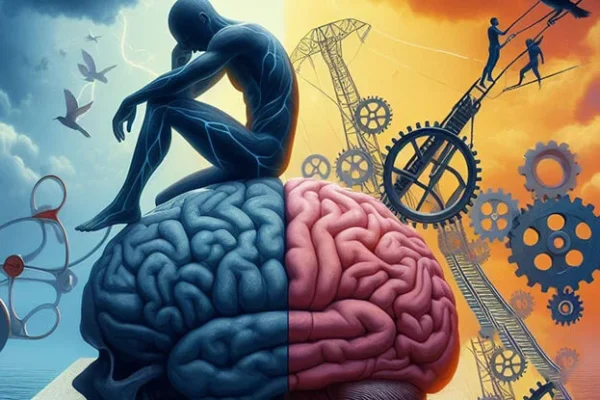
Psychosomatic illnesses: when the mind leaves traces on the body
Psychosomatic illnesses refer to physical ailments that arise or worsen under the influence of psychological factors such as stress, anxiety, depression, and other emotional disturbances. This concept is based on the close connection between the mind (psyche) and the body (soma), which exists in the human organism.

Autogenic Training and its Benefits: Secrets of Internal Balance
Autogenic training is a psychotherapeutic method aimed at achieving deep relaxation and control over physical and mental processes in the body. It is based on self-suggestion, concentration on bodily sensations, and visualization.

Box Breathing: Basics of Technique and Practice
In today’s fast-paced reality, filled with constant stress, deadlines, and information overload, it’s crucial to know how to maintain mental and physical balance. One of the most effective yet simple ways to relieve tension and restore balance is Box Breathing—a technique rooted in ancient yogic tradition thousands of years old.

Chronic Fatigue Syndrome: The Hidden Epidemic of Modern Society
Chronic Fatigue Syndrome (CFS), also known as Myalgic Encephalomyelitis (ME), is a serious and complex disorder characterized by extreme fatigue that does not go away with rest and significantly impacts daily life. This syndrome can affect people of any age, gender, or background, and its exact causes are still under active investigation.

Diaphragmatic Breathing: The Key to Calm and Relaxation
We constantly face new demands and challenges at work, at home, and in personal relationships, which often lead to overload, exhaustion, and ultimately to chronic stress. This can negatively affect our physical and mental health, causing problems such as insomnia, headaches, high blood pressure, anxiety and depression.
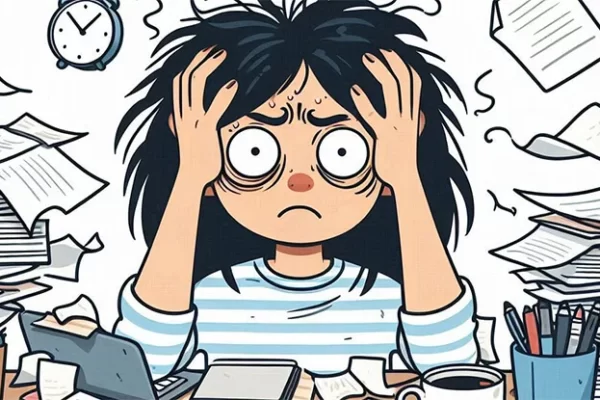
How to Manage Stress: Secrets to Emotional Resilience
Stress has become an integral part of the daily life of a modern person. It is a state of emotional and physical tension that arises in response to demands or situations perceived as excessive or beyond our capabilities. Prolonged stress can negatively impact physical and mental health, triggering sleep problems, weakened immunity, anxiety, and depression.

Progressive Muscle Relaxation: The Art of Mindful Relaxation
In today’s world, full of stress, anxiety, and overwhelm, it is essential to have reliable tools for maintaining mental balance and physical health. One such effective tool is progressive muscle relaxation, a simple and effective way to relieve body tension and achieve deep relaxation.

Hypersomnia: Reflection of the Sleepy World in the Mirror of Time
Hypersomnia, or excessive daytime sleepiness, is a common sleep disorder affecting millions of people worldwide. This condition is characterized by a persistent feeling of fatigue and sleepiness despite getting an adequate amount of sleep at night. People with hypersomnia often have difficulty concentrating, remembering things, and being productive, which can significantly impact their quality of […]

Why We Sleep Poorly: The Main Causes of Insomnia
Insomnia is a widespread issue that affects people of all ages and backgrounds. It is characterized by difficulties in falling asleep, staying asleep, or getting a restful night’s sleep. Good sleep is essential for physical and mental health, helping to restore energy, boost the immune system, and improve cognitive function.

How to Overcome Depression, change your thinking and start a new life?
Depression is a serious mental disorder that affects millions of people worldwide. According to data from the World Health Organization, depression is the leading cause of disability and significantly impacts a person’s physical and mental health. Symptoms of depression can range from prolonged feelings of sadness, hopelessness, and loss of interest in activities that once […]