
Every day, without even noticing it, we engage in a dialogue with the objects around us. An ordinary teapot in the kitchen, a worn-out carpet in the living room, or a gleaming multicooker—all these items not only serve utilitarian functions but also subtly shape our habits, influence our mood, and even reflect deep-seated traits of […]

Sound Habits: What Your Headphone Choice Says About You
Headphones have long ceased to be just an accessory for listening to music—they have become an integral part of daily life, a kind of “sonic extension” of one’s personality. We wear them on the subway, during a run, at the office, and even at home, creating our own audio space in a noisy world.

Gas oven vs. electric: what your kitchen says about your personality
Kitchen is not just a place where food is prepared. It is the heart of the home, a space that can reveal much more about your character than it might seem at first glance. The interior, appliances, even the little details in how the space is organized—all of this, seemingly unintentionally, expresses our preferences, habits, […]

Life Without Shackles: How Psychology Helps to Overcome Addiction
Addiction is not just a bad habit that can be overcome by willpower. It is a complex psychophysiological mechanism that entangles a person in invisible but strong shackles. According to the WHO, every third person has encountered some form of addiction at least once in their life—whether it’s alcohol, drugs, gambling, or even compulsive social media […]

Hyperbolic Discounting: Why We Choose a Bird in the Hand Over Two in the Bush
We’ve all faced a choice at least once in our lives: to get something small but right now or to wait and ultimately receive much more. There’s even a metaphor for this — “a bird in the hand is worth two in the bush”. It might seem more logical to aim for greater rewards, but […]
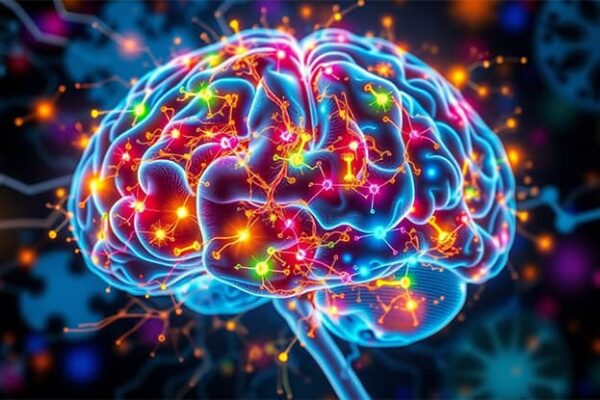
Neuroplasticity: The Brain’s Magical Ability to Change
Imagine that your brain is not a frozen, unchanging organ, but a living, dynamic system capable of restructuring, adapting, and developing throughout your life. This amazing property is called neuroplasticity – the brain’s ability to change its structure and function in response to experience, learning, and even injury.

Identity Crisis: How to Find Yourself in a World of Constant Change
We live in an era where the concept of “self” is becoming increasingly elusive. An identity crisis is not just a trendy psychological term but a real state of disorientation—when a person no longer understands who they truly are, what they want, or where they’re headed. The inner compass is broken: old reference points—career, family, […]

How to Know Your Archetype? A Simple Psychological Test
Archetype is a universal, deep-seated image or behavioral model that exists in the collective unconscious of humanity. This concept was introduced by the Swiss psychologist Carl Jung, who believed that archetypes are innate structures of the psyche, common to all people, regardless of their culture, era, or individual experiences.

Physiognomy for Every Day: What Can be Understood at First Glance?
Physiognomy is an ancient art and science that studies the connection between a person’s facial features and their character, emotions, and sometimes even destiny. Its roots trace back to antiquity: Aristotle and Hippocrates sought to understand how appearance reflects the inner world of a person. In China, physiognomy became part of philosophical teachings, while in […]
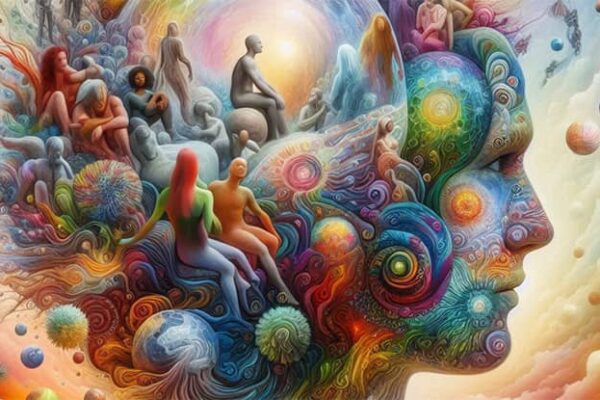
Collective Unconscious: The Key to the Mysteries of the Human Psyche
The collective unconscious is one of the most mysterious and profound concepts in psychology, first proposed by Carl Gustav Jung. This term describes a layer of the psyche that is common to all people, regardless of their culture, age, or life experiences. Unlike the personal unconscious, which is shaped by individual experiences, the collective unconscious […]
MMPI (Minnesota Multiphasic Personality Inventory): The Test That Knows You Better Than You Do
In today’s fast-paced world, self-discovery is gaining increasing significance. The rapid rhythm of life, high levels of stress, and constant social changes demand flexibility, emotional resilience, and an awareness of one’s strengths and weaknesses.
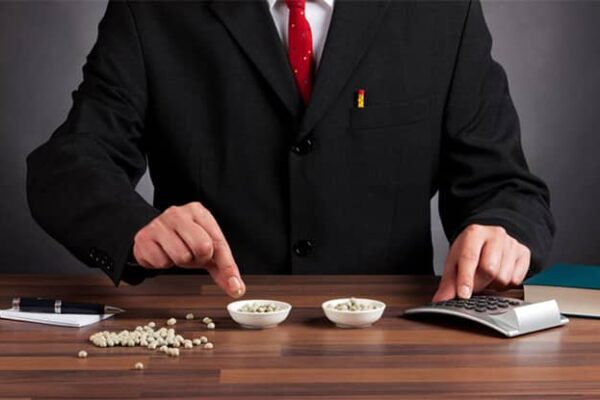
Pedantic person: a psychological portrait of a master of order
Pedantry is a trait that often evokes mixed feelings. Some view it as a sign of high organization and a drive for perfection, while others see it as excessive meticulousness and rigidity, which can hinder flexible responses to change. At its core, pedantry is rooted in a desire for order, attention to detail, and strict […]

Who is a Neurotic: in Simple Words about Complex Things
Neuroticism is a psychological characteristic of personality associated with heightened emotional sensitivity, a tendency towards anxiety, and inner conflicts. People with high levels of neuroticism often experience intense emotional reactions even to minor events. This can affect their behavior, relationships, and overall well-being.
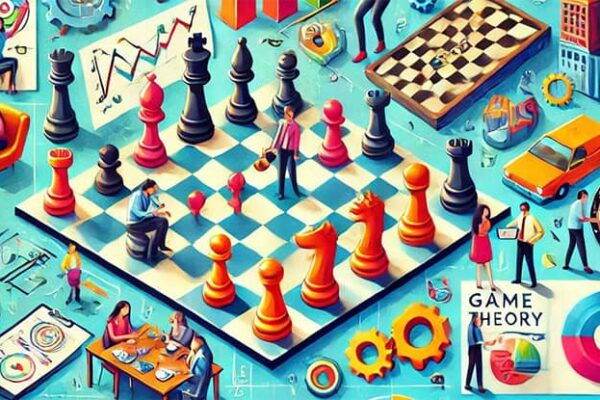
Game Theory: Why We Act This Way and Not That Way
Game Theory is a mathematical discipline that studies strategic interactions between rational players, examining how participants make decisions considering the possible actions of others and striving to maximize their own benefits. Despite its mathematical nature, it is increasingly used to understand how people make decisions in various real-life situations. Its concepts have become essential not […]
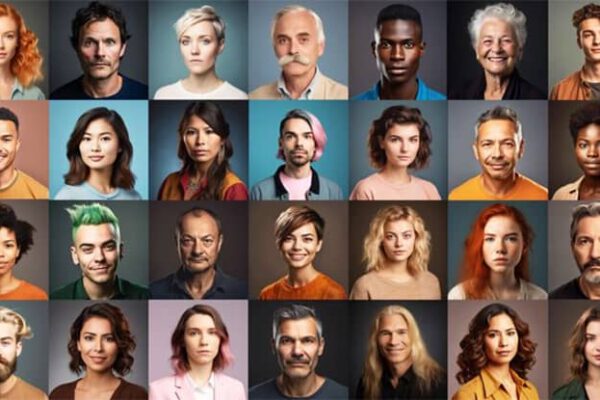
Modern Identity Theories: Finding Yourself in the Digital Age
Identity is a multifaceted concept encompassing a person’s self-perception, values, beliefs, social roles, and group affiliations. In psychology, this definition is often tied to the awareness of one’s uniqueness, which develops through interactions with others and the surrounding world.